
Explaining Dyslexia to your child
Around 10% of the population are estimated to have dyslexia, so it is a common problem and your child is not alone.
Dyslexia can vary in severity and children can display their symptoms very differently. This is because it affects multiple aspects of language processing, and each child has their individual strengths and weaknesses. Some children primarily struggle with reading, others with spelling or writing, and some with language comprehension.
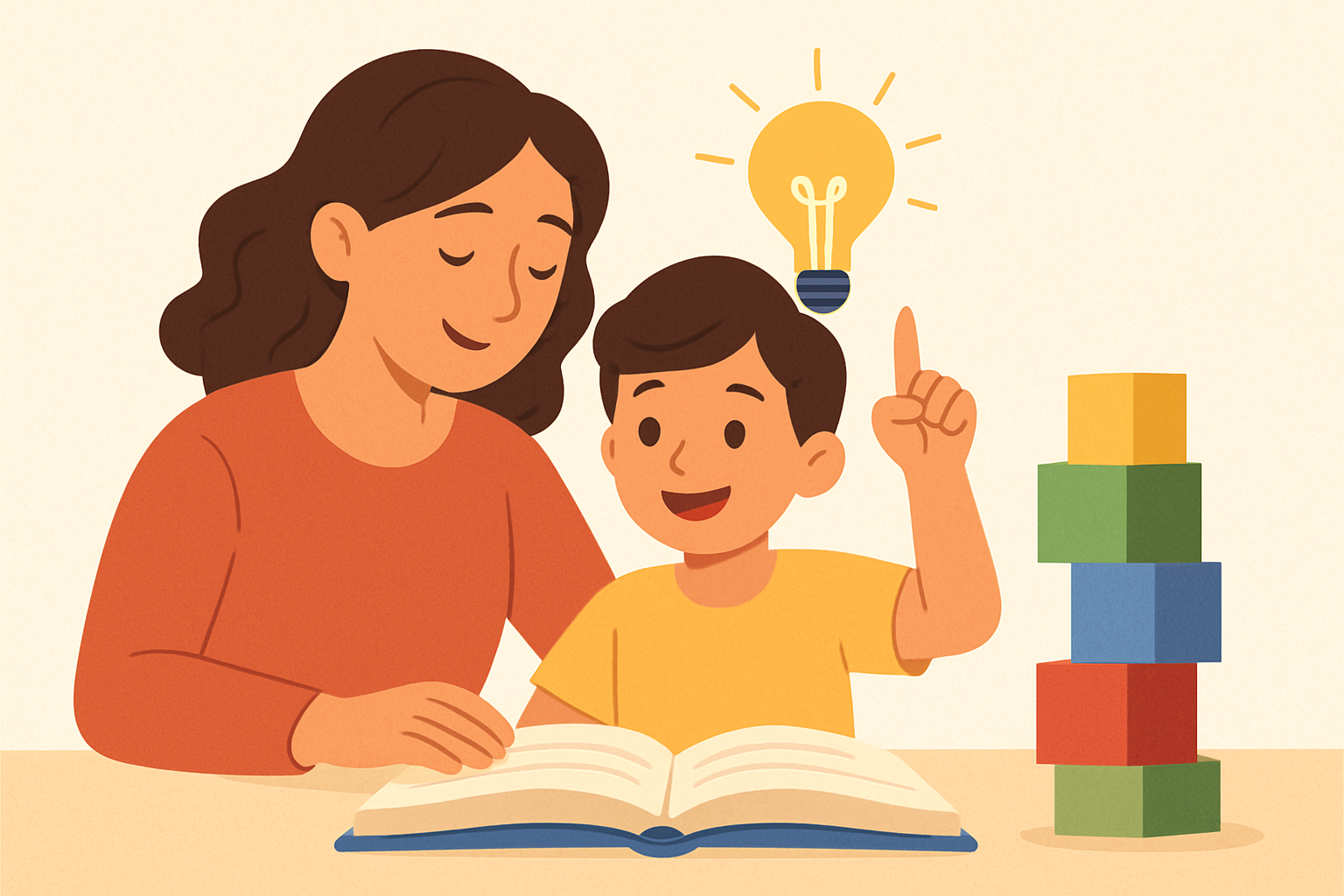
Early identification and consistent support make a big difference, helping children to reach their full potential in school and everyday life.
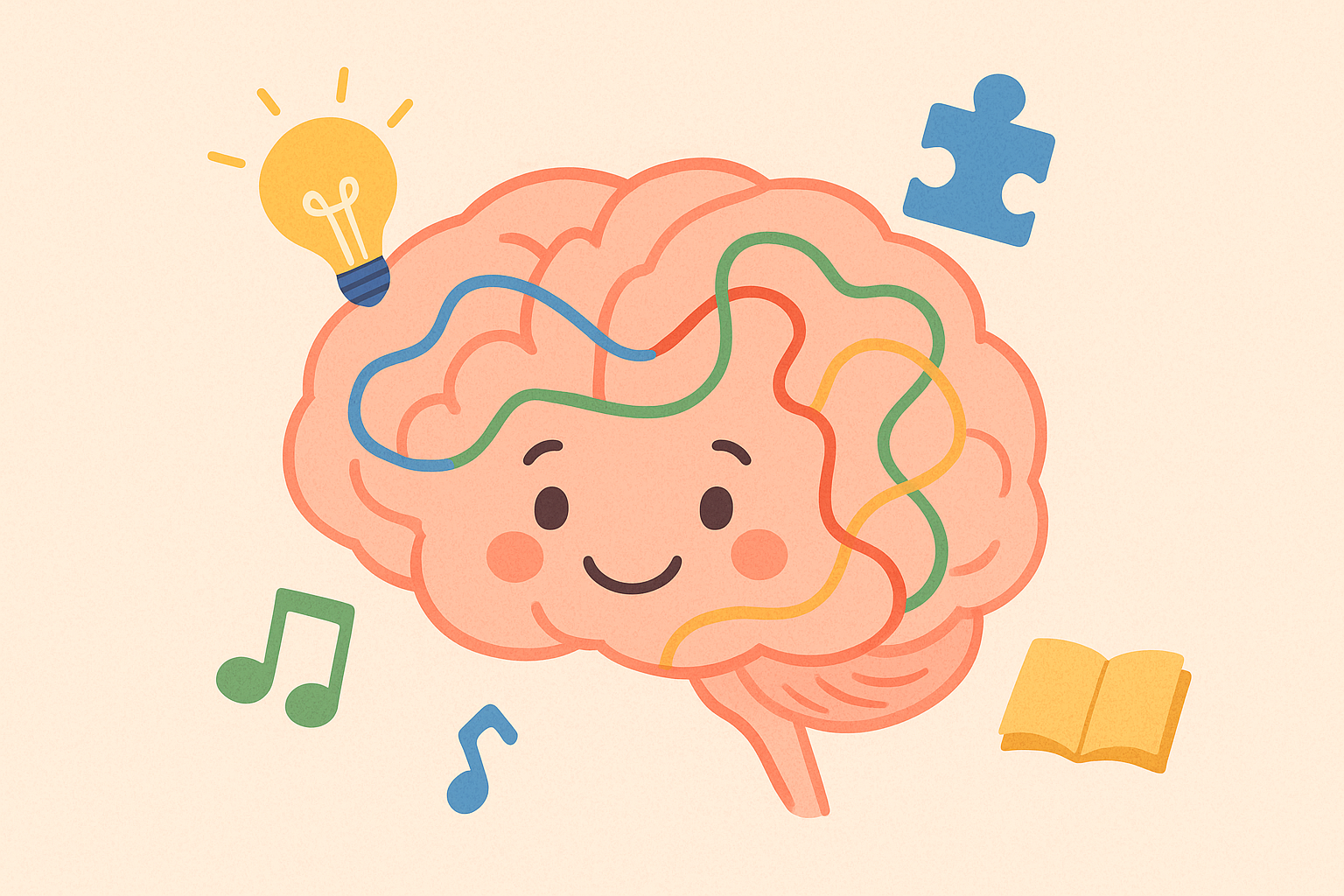
Children may be confused as to the reasons why they struggle with reading, spelling, writing or remembering rhymes or instructions. It is important for their self esteem and their confidence that they understand that dyslexia is about a different wiring of the brain and has nothing to do with intelligence. Albert Einstein has been attributed with having dyslexia!
The video below offers a clear, child friendly explanation highlighting the strengths often associated with dyslexia.
Many famous people are dyslexic. Some were able to find alternate strategies like Tom Cruise who uses visualisation techniques to help him understand what he has read.
With others, it is their ability to see the bigger picture, a skill associated with the different wiring of the dyslexic brain, that has helped them succeed. Examples are Jørn Utzon, the architect of the Sydney Opera House, who was dyslexic and dyscalculic. He channelled his visual and creative thinking into designing iconic structures.
Steve Jobs, co-founder of Apple used his creative and lateral thinking skills to innovate.
Steven Spielberg, (film director of films such as The BFG, War Horse, Jaws ) found his love for storytelling through movies, which served as an alternative to reading. His dyslexia also honed his attention to detail, a crucial element in his renowned work.




Parents may enjoy The Dyslexia Advantage by Brock and Fernette Eide which demonstrates the distinct cognitive strengths associated with dyslexia (MIND strengths: Material, Interconnected, Narrative, and Dynamic Reasoning), seen in pattern detection, divergent thinking, empathy, and creativity.
Understanding and Supporting Your Child with Literacy Difficulties by Dr Valerie Muter is a user friendly book which explores the difficulties your child may be facing when learning to read. It offers lots of practical advice on how you can support your child.
