
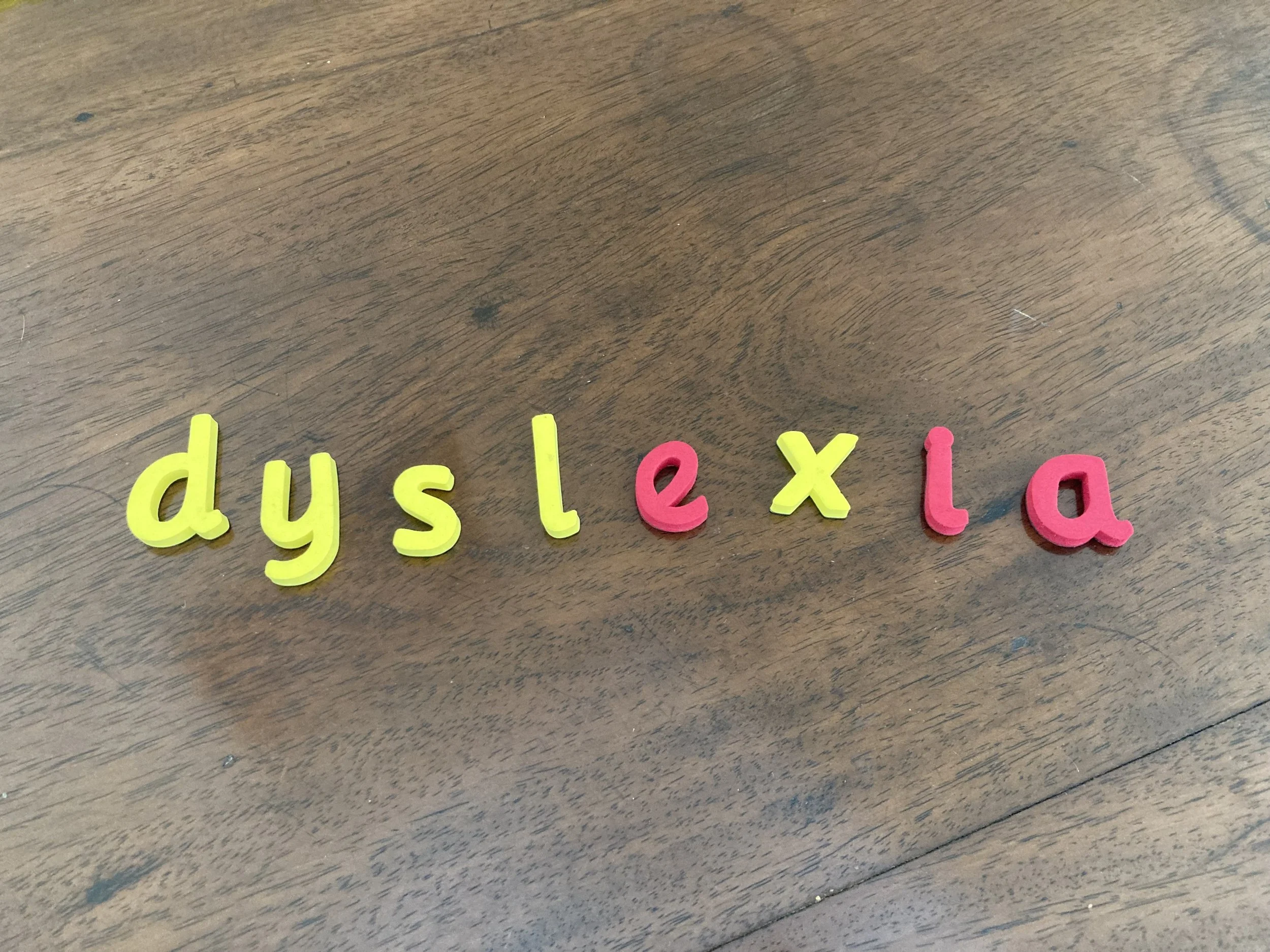
Dyslexia is a specific learning difficulty that mainly affects reading, spelling, and written language. It is not linked to intelligence - many children and adults with dyslexia are bright, curious, and creative thinkers. Dyslexia simply means the brain processes written and spoken language in a different way.
Common Signs of Dyslexia in Children
Every child is unique, but some common signs of dyslexia include:
Struggling to sound out unfamiliar words
Slow or hesitant reading
Difficulty remembering spellings or high-frequency words
Mixing up letters or word order when writing
Finding it hard to follow multi-step instructions
Strong verbal skills but weaker written work
If you notice several of these signs, a dyslexia assessment can provide clarity and direction. It explains why reading or spelling feels difficult and gives teachers clear strategies to help. Early identification is key - it allows support to begin as soon as possible, helping your child to achieve their potential.
How to Support a Child With Dyslexia
Once dyslexia is identified, targeted support makes a big difference. This might include:
Structured, multisensory teaching programmes
Extra time in exams and classwork
Assistive technology such as text-to-speech or audiobooks
Encouraging reading in fun, low-pressure ways
Children with dyslexia often excel in creative problem-solving, big-picture thinking, and verbal communication—skills that serve them well throughout life.